国家地理打造的安东尼·福奇纪录片[福奇](Fauci,暂译)释出先导预告!该片由约翰·霍夫曼([合众为一])、珍妮特·托比亚斯([洞穴求生])共同执导。影片将追溯福奇的职业生涯,重点介绍他在艾滋病方面的工作,以及现在对抗新冠病毒的工作。该片采访对象包括小布什、比尔·盖茨等。
深入了解美国橄榄球新英格兰爱国者队20年的历程,从独特的相互配合而拿下六次超级碗冠军,到内哄引发的你争我夺。汤姆·布雷迪、比尔·贝利奇克、罗伯特·卡夫与关键球员将揭晓成就伟大的过程与代价。
2020年7月29日中国首个野生狼保护站成立。其背后隐含着一个小狼重返狼群的传奇故事……2010年,若尔盖草原盗猎猖獗,狼群与人类频繁冲突,画家李微漪在写生途中偶然救下一只濒死的小狼,将他带回城市抚养后,又带回草原,试图重新送他回到狼群,回去的路上各种未知的危难在等待着他们。藏獒群、金雕、盗猎者、领地狗、狼群……本片首次完整展现小狼格林重返狼群的传奇故事。
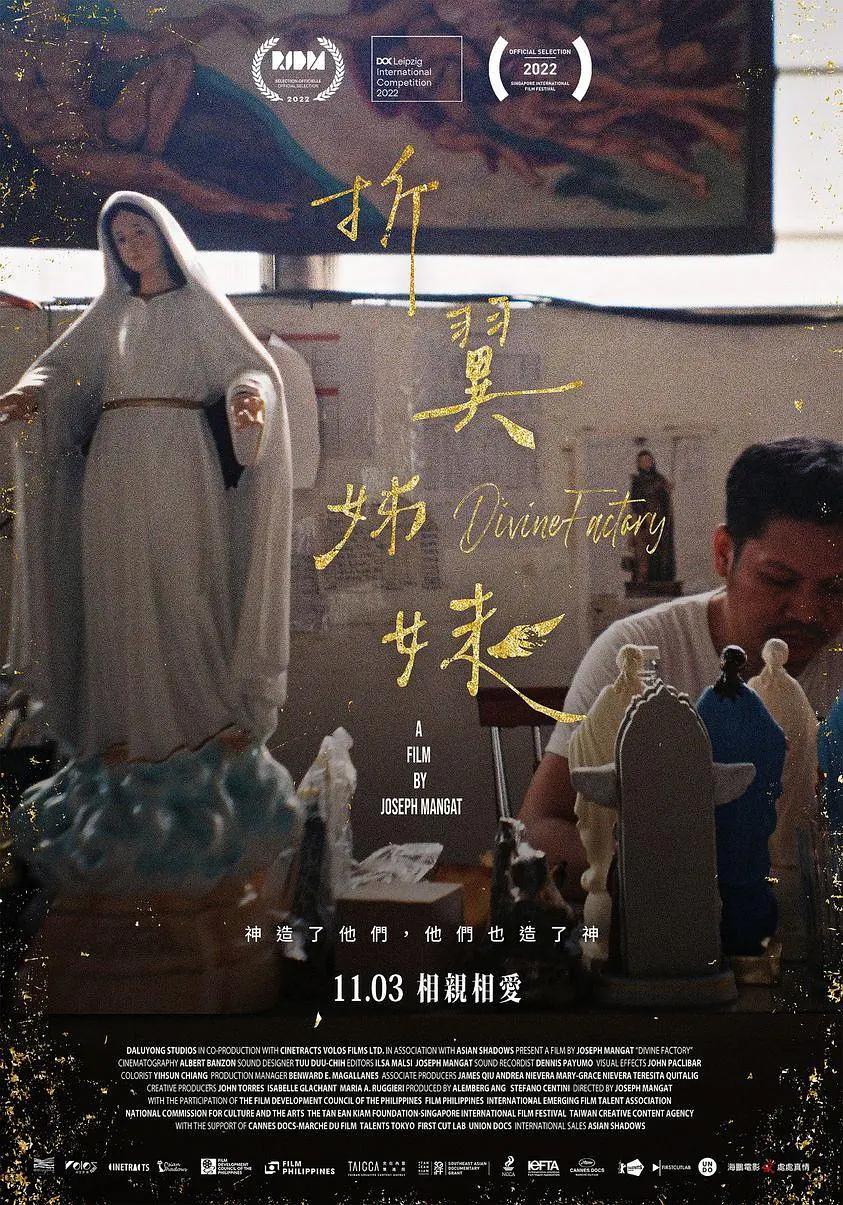
「被神遺棄的人們,卻有著能夠造「神」的雙手……」 在馬尼拉一座如迷宮般的天主教雕像工廠中,擠著一群由LGBTQ群體、社會邊緣人和失業者所組成的工作環境。他們每日被迫帶著最低程度的防護裝,曝露於有毒粉塵中,為菲律賓廣大的宗教商業市場生產雕像。儘管如此,這份工卻幫助他們免於步入充滿毒品、暴力與貧窮的殘酷現實,提供他們一座與世隔絕的最佳庇護所,讓他們得以喘息。 本片帶領觀眾一探TML天主教雕像工廠的員工們如何在此居住與工作,並用為微薄的薪資溫飽自身的生活。諷刺且有趣的是,被觀察者與關係群體間,涉及著金錢、宗教與性的複雜結構。而不受天主教所認同的同志族群更矛盾地為教宗打造雕像,成為了「造物主」。導演透過這荒誕的工人日常群像,某種程度上意欲探討資本主義下環境的問題,也藉此深入反思當代世界的矛盾。
该片由著名摄影师和纪录片导演焦波担任总导演,此前他的《俺爹俺娘》和《亲吻春天——俺和俺的地震孤儿》系列曾在中国社会引起巨大反响,尤其是《俺爹俺娘》系列曾感动了无数儿女。 这一次《乡村里的中国》焦波仍然把镜头对准了其老家——山东淄博,不过拍的不再是自己出生的村庄,而是沂蒙山革命老区沂源县杓峪村。影片以一个小村庄为切入点,展现了中国农村的巨大变迁、环境保护、农民的精神追求和物质追求等诸多社会现实话题,既生动有趣,又深刻感人。 焦波在接受记者采访时透露,拍摄这部纪录片,他和他的摄制组在杓峪村里呆了整整373天:“村里一共有167户人家,我们去了之后是第168户。”而焦波的摄制组,除了他一个人年龄较大(接近60岁),其它四名主创的平均年龄只有20出头:“所以我们这个片子展现的不仅是中国农村的社会现实,而且是站在年轻人的角度去展现的,我相信也会受到年轻人喜欢。” 最373天时间里,《乡村里的中国》摄制组和当地村民一起吃、一起住,成了一家人拍摄了近1000个小时的素材,最终剪辑出大约两个小时的精华。 曾多次执导央视春晚的金越认为,《乡村里的中国》直观鲜活地呈现了中国农民不同个体的喜怒哀乐、家庭关系和民俗民风,人物形象鲜明生动,影片结构充满张力,故事复杂,线索清晰,画面朴实,剪辑流畅,同期声音录制完美,“是这个时代有记录意义的、不可多得的中国农村生活标本。”
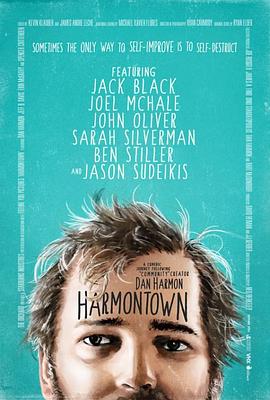
本片记录了丹·哈萌2012年被<废柴联盟>剧组开除后所进行的<哈萌小镇>博客巡演,中间穿插着他事业发展和<废柴联盟>那些事儿。 哈萌的作品多涉及社会边缘人物,最知名的是<废柴联盟 Community>和<瑞克与莫蒂 Rick and Morty>,这不是一部展现他多优秀多完美的纪录片,相反大家可以了解到哈萌口无遮拦吹毛求疵有些偏执的性格伴随药物酒精带给他的情绪和生活起伏,他得罪了不少人,会在舞台上伶仃大醉,甚至用语言和情感暴力对女友造成伤害,但是他也治愈了不少孤单古怪的人,引领着”呆子军团”,有才华也有发现才华的眼
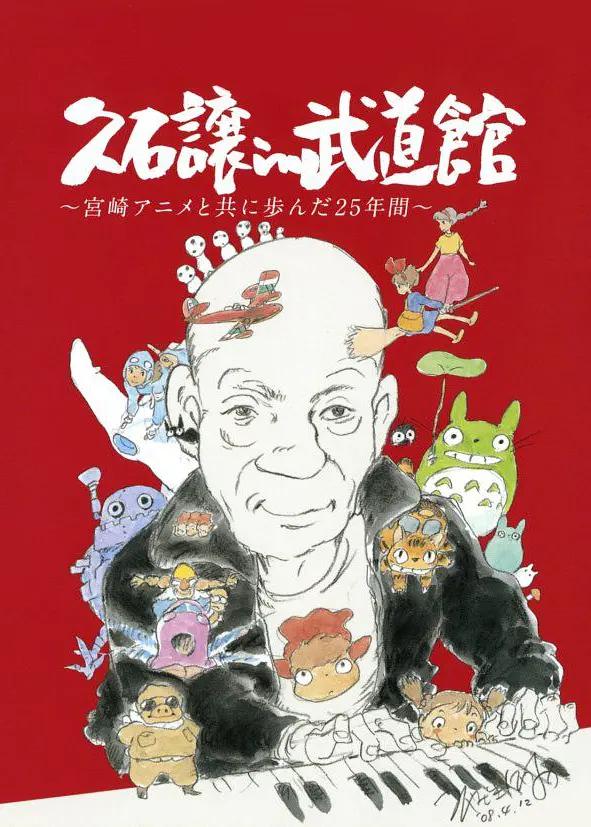
《久石譲in武道馆 ~宫崎アニメと共に歩んだ25年间~》于08年8月5日在日本武道馆举行。曲目全部取材于25年来为宫崎骏动画写的配乐,并由久石让亲自上台指挥和弹奏,配以200人交响乐团和800人的合唱团,份量十足。 久石让的演绎总给人很亲切的感觉。音乐会中久石让用了几个学校的管乐队穿插在会场之间演绎《天空之城》的主题曲,很有创意,之后更亲自用钢琴搭配乐队中的长号圆号和SAXPHONE以JAZZ的风格演绎《飞天红猪侠》的插曲,别有一番风味。除此之外还有小提琴手Yasushi Toyoshima拉奏《魔女宅急便》的主题曲,红衣小女孩演唱《崖上的金鱼》主题曲,平原绫香演唱《千与千寻》主题曲都很动听。 久石让很会拿捏音乐中的感情,而整场音乐会无论是指挥还是弹琴,都看得出他很用心而且很享受,这让他的音乐变得很有感染力。极力推荐各位听听这场音乐会,那久违的童真打动的不只是耳朵,更是心灵。 曲目: 01. 风の伝説 (风之谷) 02. ナウシカ レクイエム (风之谷) 03. メーヴェとコルベットの戦い (风之谷) 04. 远い日々 (风之谷) 05. 鸟の人 (风之谷) 06. アシタカせっき (风之谷) 07. タタリ神 (幽灵公主) 08. もののけ姫 (幽灵公主) 09. 海の见える街 (幽灵公主) 10. 伤心のキキ (魔女宅急便) 11. かあさんのホウキ (魔女宅急便) 12. 深海牧场 (魔女宅急便) 13. 海のおかあさん (山崖上的金鱼姬) 14. 波の鱼のポニョ (山崖上的金鱼姬) 15. フジモトのテーマ (山崖上的金鱼姬) 16. ひまわりの家の轮舞曲 (山崖上的金鱼姬) 17. 母の爱 (山崖上的金鱼姬) 18. いもうと达の活跃 (山崖上的金鱼姬) 19. 母と海の讃歌 (山崖上的金鱼姬) 20. 崖の上のポニョ (山崖上的金鱼姬) 21. ハトと少年 (山崖上的金鱼姬) 22. 君をのせて (天空之城) 23. 大树 (天空之城) 24 帰らざる日々 (红猪) 25. 人生のメリーゴーランド (哈尔的移动城堡) 26. Cave Of Mind (哈尔的移动城堡) 27. Merry-go-round 28. いのちの名前 (千与千寻) 29. ふたたび (千与千寻) 30. 风のとおり道 (龙猫) 31. さんぽ (龙猫) 32. となりのトトロ (龙猫) 33. アシタカとサン (幽灵公主)
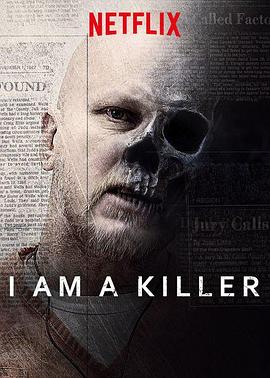
Follows Death Row inmates, who tell the story of how they ended up there. S1, Ep1 Justin Dickens S1, Ep2 Deandra Buchanan S1, Ep3 Miguel Angel Martinez S1, Ep4 Robert Shafer S1, Ep5 Kenneth Foster S1, Ep6 Chuck Thompson S1, Ep7 Wayne Doty S1, Ep8 David Lee Lewiss. S1, Ep9 James Robertson S1, Ep10 Joshua Nelson
好莱坞巨星玛丽莲·梦露不幸逝世后,衍生出的阴谋论和谣言数十年来从未停歇,众人不再聚焦于她的才华与才智。本片收录梦露至亲的访谈,透过从未曝光的录音拼凑出她临终前几星期、几天、甚至几小时的时光,描述她光芒四射却又耐人寻味的一生,并以新颖的视角检视她的宿命之夜。
威斯康星州乡村一位忠于家庭的男人,放弃了20年事业带来的稳定,投身于兴衰更替的弹球制造业,追寻自己的梦想。为了打入竞争激烈的市场,打造一家蒸蒸日上的企业,他必须克服初创企业必然会遇到的坎坷,同时又不让家人陷入经济危机。
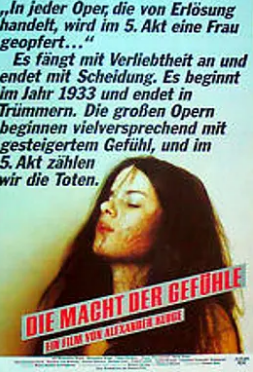
The Power of Emotion explains that emotion isn't to be confused with sentimentality. Emotion is ancient and more powerful than any art form. The film looks at young couples who run into difficulties as they try to translate their experiences of love into clear decision-making. A woman who has shot her husband provides a judge with a puzzle. Those who love can bring the dead back to life by means of co-operation. That's the focus of the opera, "The Power Plant of Emotions" and the "Opera of the 20th Century" cinema. Alexander Kluge: The Power of Feeling When I started working on The Power of Feeling, I was not in a rational state. I did not say, I have a subject and now I will make a film about it. Instead I was spellbound and observed in my direct surroundings, for example, how feelings move. I have not really dealt with the theme of my mother's death and the fact that she was the one who taught me "how feelings move." Nor have I dealt with how she died. That was an entire palette of feelings: "All feelings believe in a happy end," and everyone believes tacitly that they will live forever: The entire palette is somehow optimistic, a positive attitude towards life having been put on the agendaas long as she was young, as long as her body held out, from one day to the next she collapsed. She just suddenly collapsed, like in an opera where disaster takes the stage in the fifth act. It felt as if I had observed an air raid or a disaster. The film The Power of Feeling is not about feelings, but rather their organization: how they can be organized by chance, through outside factors, murder, destiny; how they are organized, how they encounter the fortune they are seeking.What is all this organization of feelings about? Generally feelings tend to be a dictatorship. It is a dictatorship of the moment. The strong feeling I am having right now suppresses the others. For thoughts this would not be the case. One thought attracts others like a magnet. People therefore need affirmation by other people to be sure about their own feelings (to counteract the acquisition of their feelings through outside forces). Through the interaction of many people, for example, in public, the various feelings also have a magnetic attraction to one another just like thoughts do. Feelings communicate through their manifestation in public. The cinema is the public seat of feelings in the 20th century. The organization is set up thusly: Even sad feelings have a happy outcome in the cinema. It is about finding comfort: In the 19th century the opera house was the home to feelings. An overwhelming majority of operas had a tragic end. You observed a victim. I am convinced that there is a more adventuresome combination: Feelings in both the opera and traditional cinema are powerless in the face of destiny's might. In the 20th century feelings barricaded themselves behind this comfort, in the 19th century they entrenched themselves in the validity of the lethal seriousness.
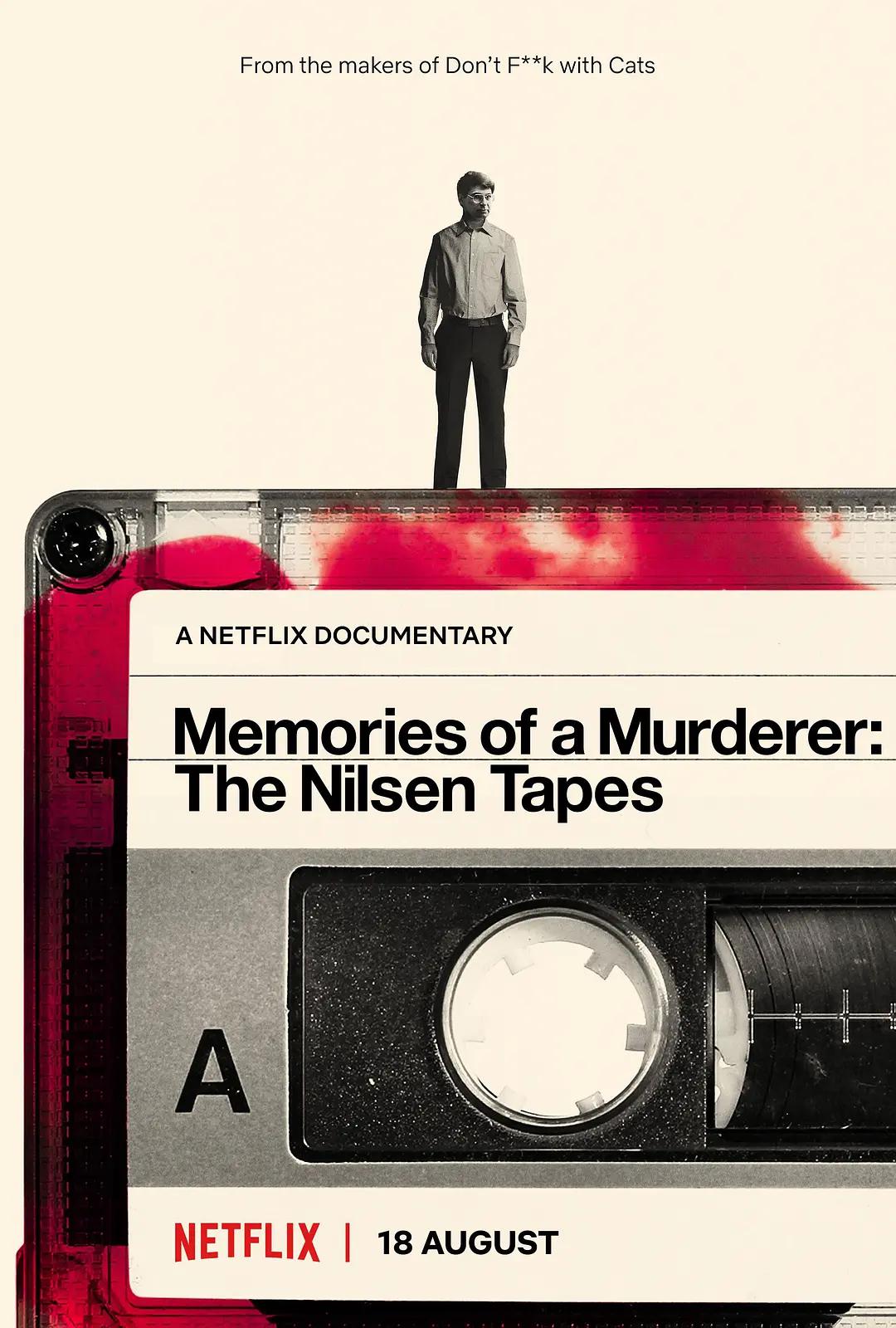
Britain’s most notorious serial killer, Dennis Nilsen, confessed to killing 15 people in 1983. Over a five-year period, he picked up vulnerable young men, lured them back to his home and strangled them, before disposing of their bodies under the floorboards. The truth about how and why he killed has been the subject of much speculation in books and documentaries over the decade...